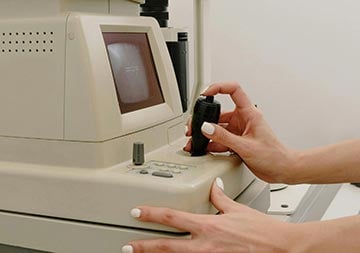
Diagnostic Exam
A focused evaluation after a collision to understand symptoms, movement, and next steps.
Explore Diagnostic Exam
Focused exams and individualized, non-surgical care for neck, back, and whiplash symptoms after a collision.
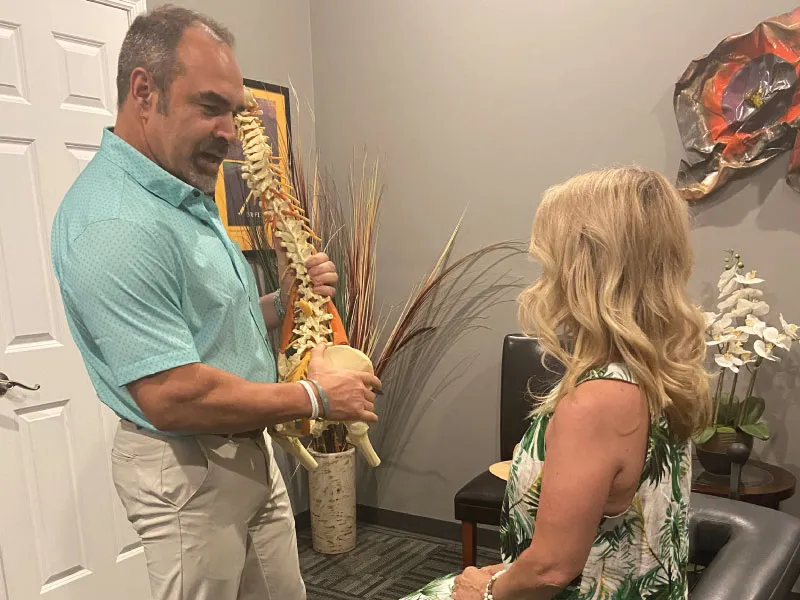
When should you be evaluated after a car accident? Consider an evaluation when you have pain, stiffness, reduced movement, headaches, or symptoms that appeared after the day of the collision. Severe or life-threatening symptoms require urgent or emergency medical care.
Your exam determines which options—if any—belong in your plan. Nothing is selected before the provider understands your symptoms and findings.
View all treatmentsA focused evaluation after a collision to understand symptoms, movement, and next steps.
Explore Diagnostic Exam
Non-surgical care selected around exam findings, comfort, mobility, and function.
Explore Chiropractic CareA structured post-injury evaluation that may include computerized neurocognitive testing when appropriate.
Explore Concussion Evaluations & the ImPACT Test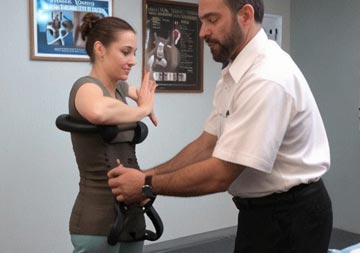
A plan-based approach the practice uses for posture, alignment, and movement concerns.
Explore Spinal Remodeling
Evaluation and individualized care for neck strain and related symptoms after a collision.
Explore Whiplash Treatment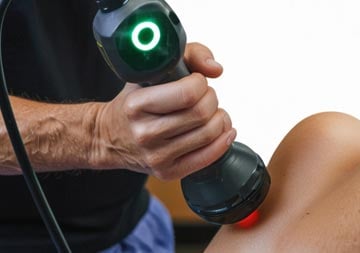
An in-office modality the practice may use alongside an individualized injury-care plan.
Explore Deep Tissue Laser Therapy
A coordinated plan to support mobility and function after an auto injury.
Explore Auto Accident Rehabilitation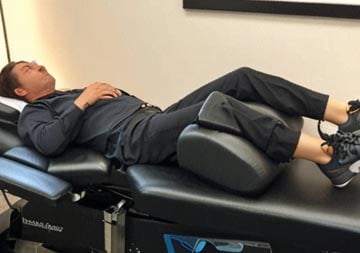
Computer-controlled, gentle traction used for some neck, back, and disc-related concerns.
Explore Spinal Decompression Therapy
Dr. Casey Bearden evaluates and treats people with auto accident injuries at the Nashville clinic.
His background includes accident reconstruction forensics training at Texas A&M University and advanced study in spinal biomechanical trauma. The visit puts the exam, plain-language findings, and next steps first.
An exam helps connect what you feel with relevant movement and musculoskeletal findings.
View Conditions We TreatWatch how the team approaches auto accident injury care and prepares patients for their first visit.
Share the collision, symptom timeline, and your main concerns.
The provider evaluates relevant movement and musculoskeletal findings.
You receive an explanation and an individualized recommendation.
6410 Charlotte Pike, Suite 102, Nashville, TN 37209
These general answers explain what to expect and do not replace an individual examination.
Read all auto accident FAQsIt can be sensible to arrange an evaluation even when you initially feel okay. Adrenaline and stress can make symptoms less noticeable, and neck pain, back pain, headaches, stiffness, numbness, tingling, or dizziness may appear later. An evaluation can document your current symptoms and findings and help determine whether follow-up care is appropriate.
If you have new or changing symptoms after a collision, consider arranging an evaluation promptly rather than waiting for them to worsen. Seek emergency care immediately for danger signs. For non-emergency concerns, a focused exam can review the collision, symptom timeline, movement, and relevant musculoskeletal findings.
Whiplash describes a neck injury associated with rapid acceleration and deceleration, often during a collision. Symptoms can include neck pain or stiffness, headaches, upper-back or shoulder discomfort, dizziness, and reduced range of motion. Because symptoms and other injuries can overlap, a healthcare professional must evaluate and diagnose your condition.
Call 911 or go to an emergency department for a worsening headache that does not go away, repeated vomiting, seizure, weakness or numbness, decreased coordination, slurred speech, increasing confusion or unusual behavior, unequal pupils, loss of consciousness, extreme drowsiness, inability to wake, chest pain, shortness of breath, severe abdominal pain, or rapidly worsening symptoms.
Book an appointment with Nashville Accident & Injury Center or call the office with questions.